
Who We Are
With more than 25 years in the industry, D-GINERA has consistently led the field as a premier manufacturer of high-precision electroplated diamond and CBN tools.
Our ISO9001-certified production base covers 10,000 m² and delivers one-stop solutions for global distributors across Europe, the Americas and Asia. Grit sizes run from 46# to 3000#, with full OEM/ODM customization — outstanding quality for your most demanding grinding and cutting needs.
Learn More
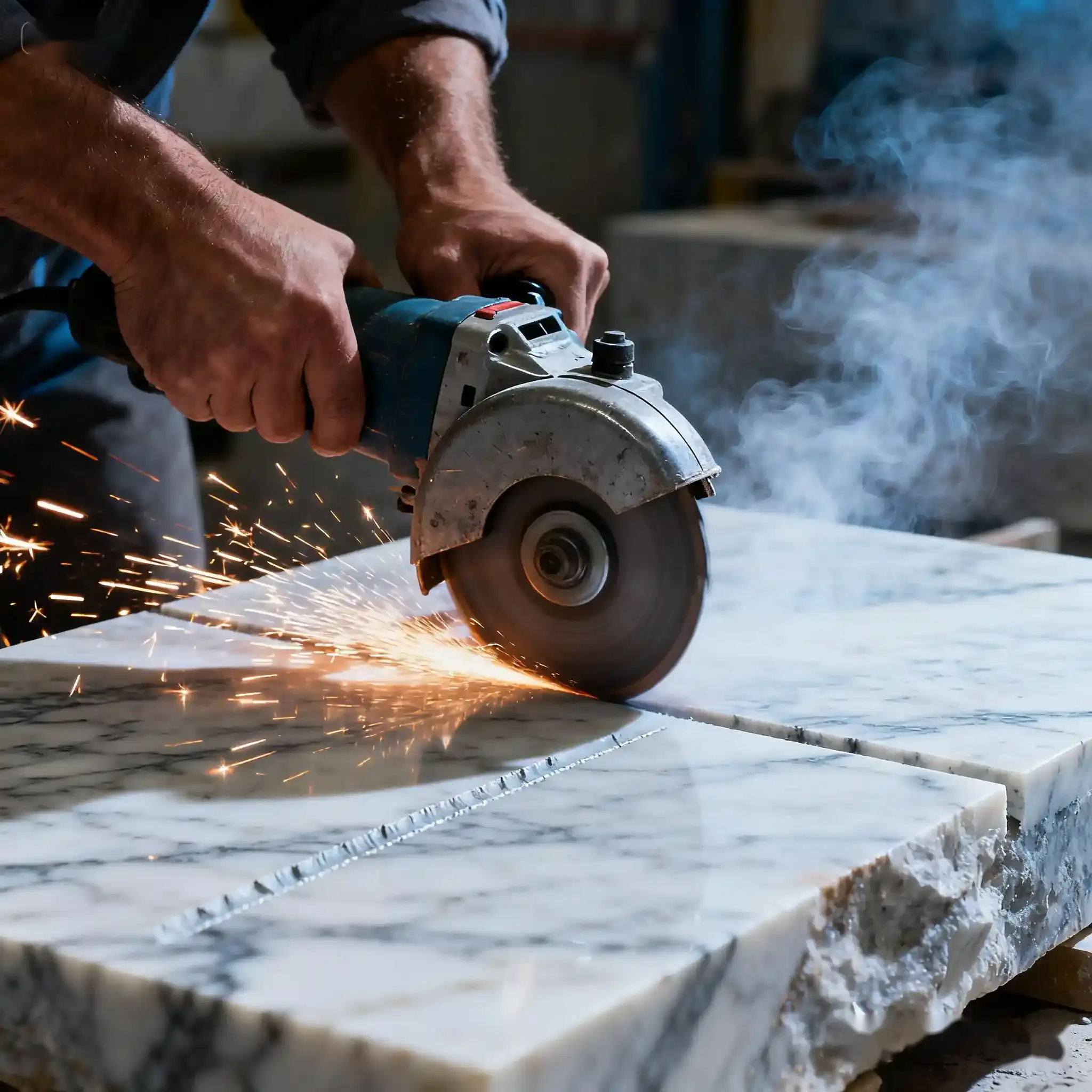
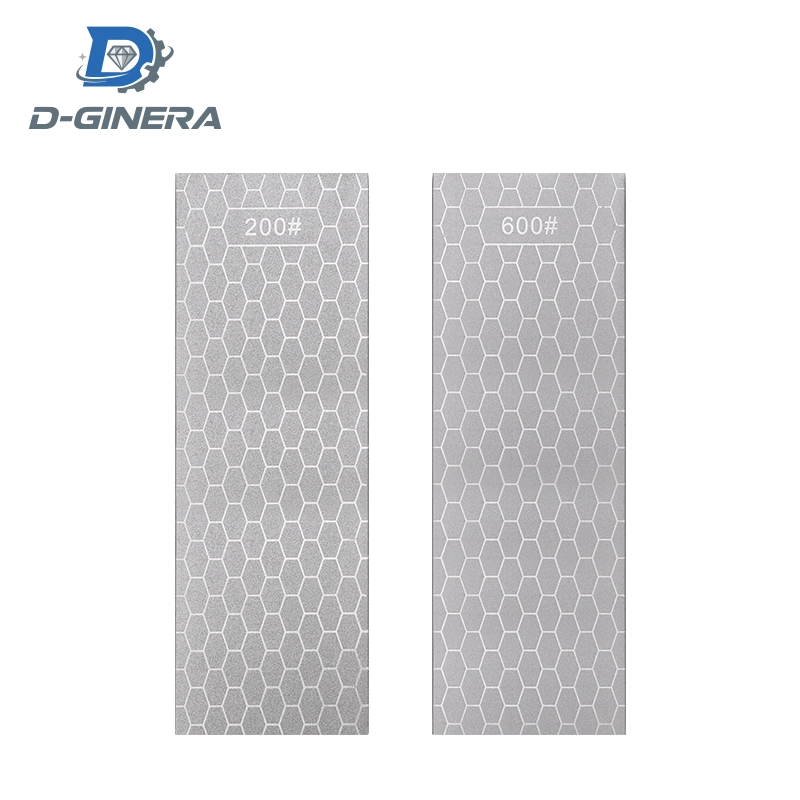
Our Product
Diamond Bench Stones
Thin Sharpening Plates
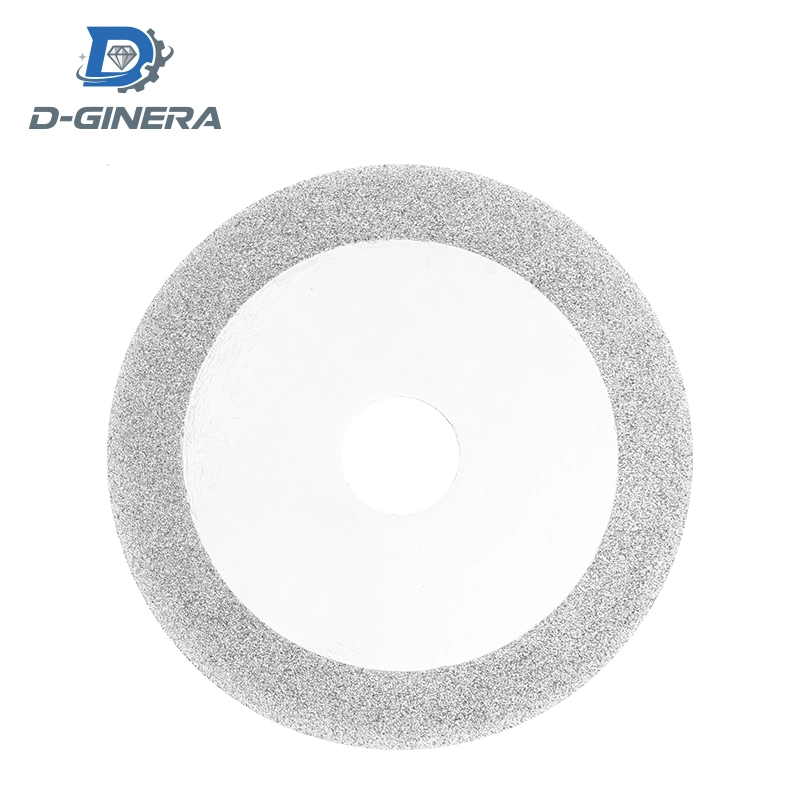
Diamond Saw Blades
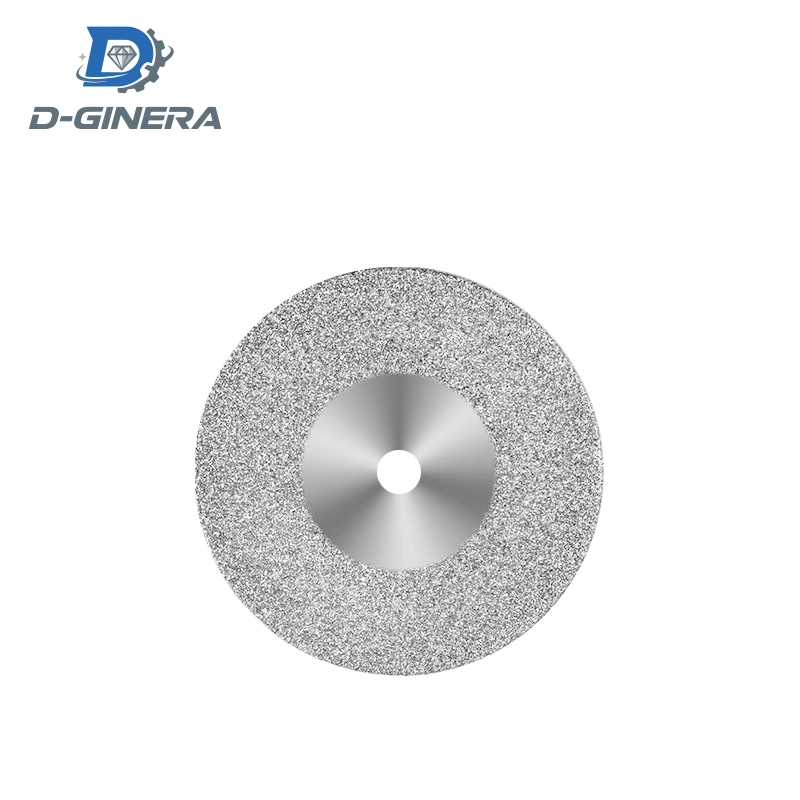
Mini Cutting Discs
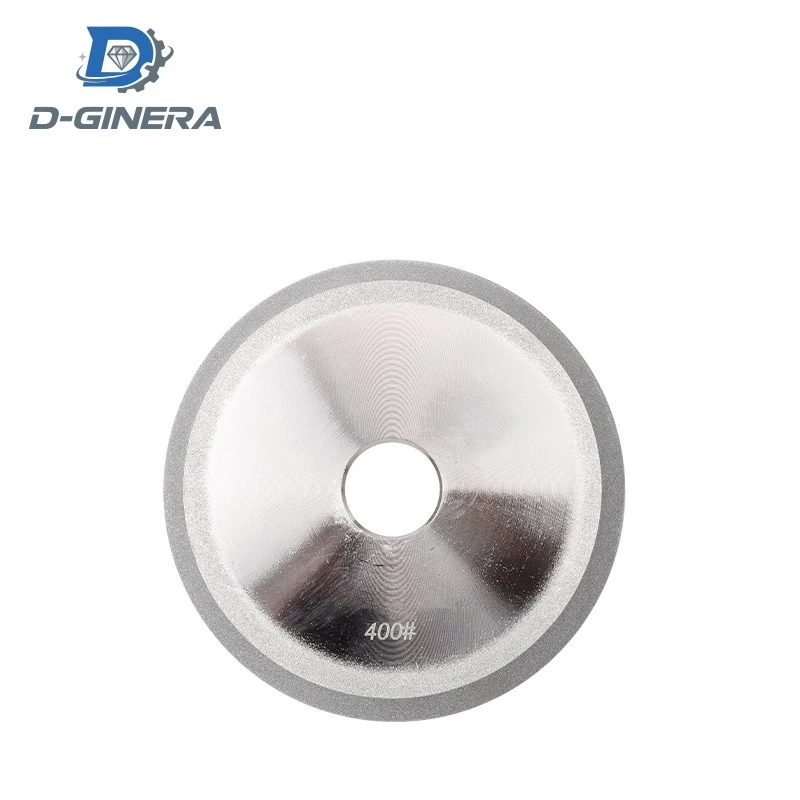
CBN Cutting Blades & Wheels
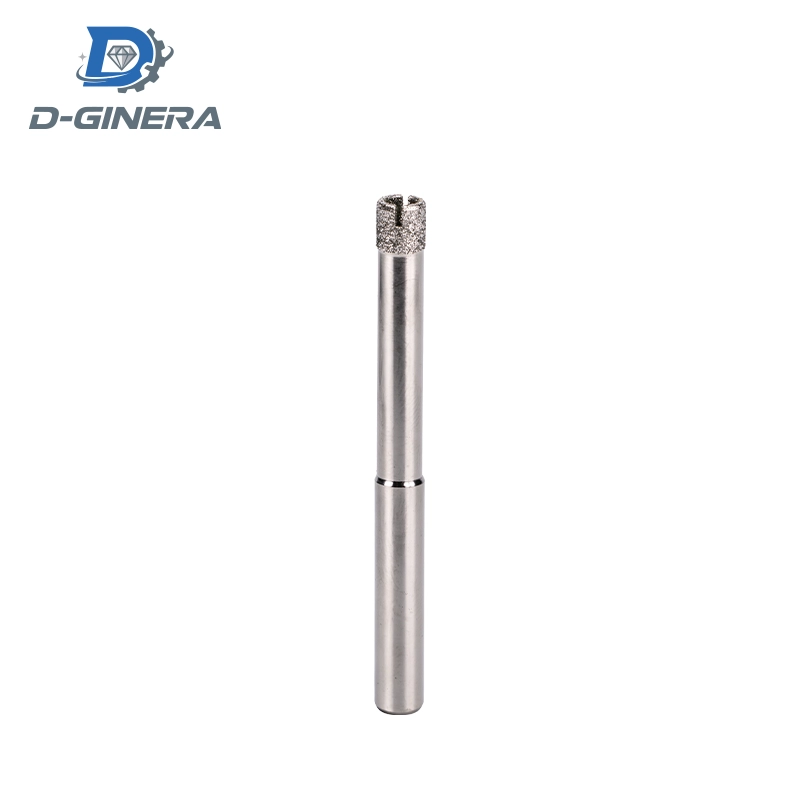
Diamond Core Drill Bits
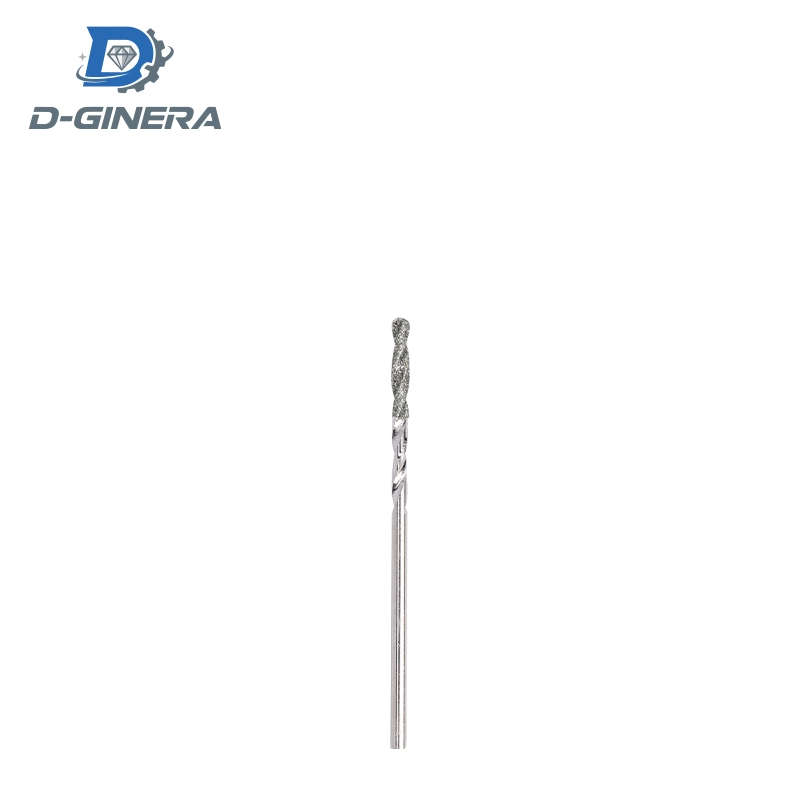
Diamond Twist Drills
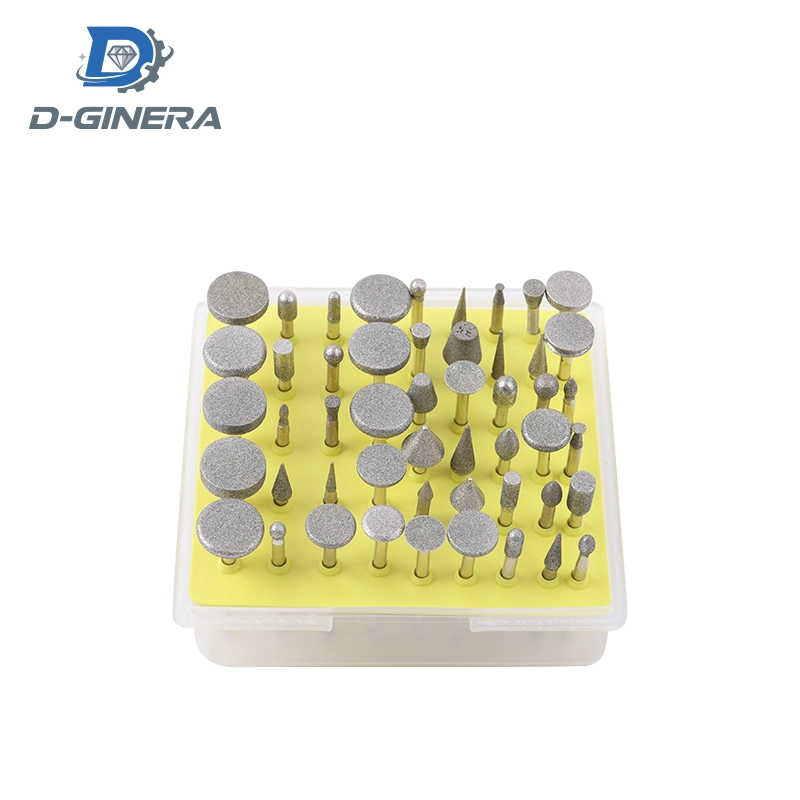
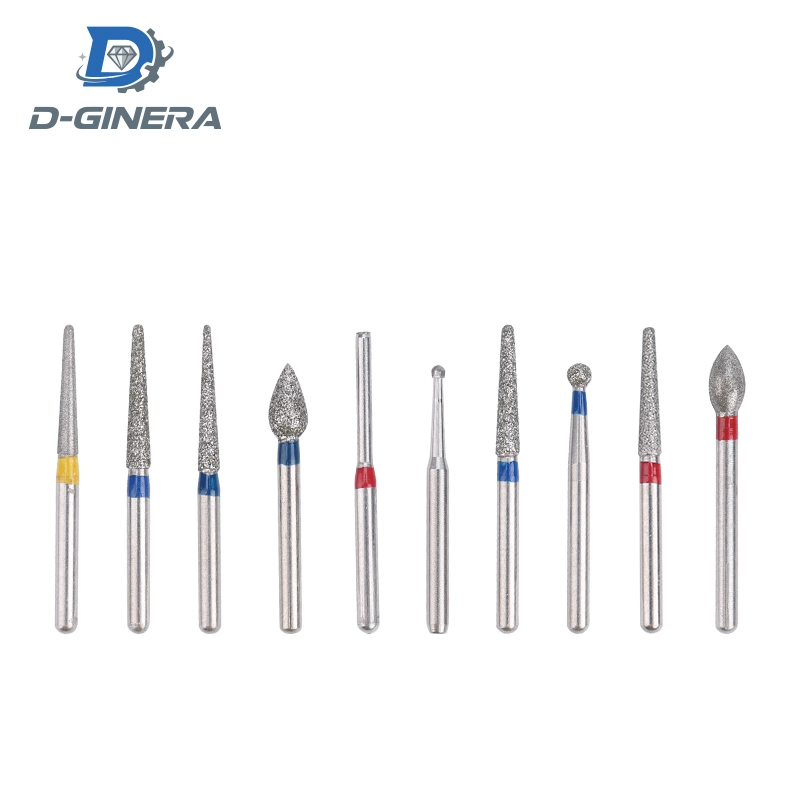
Diamond Rotating Burrs
Frequently Asked Questions
Everything you need to know about our electroplated diamond and CBN tools — material selection, working conditions, customization, and ordering.
Abrasive & Process Selection
What is the difference between electroplated diamond and electroplated CBN tools? How do I select based on workpiece material?
The selection is determined by the chemical affinity and working temperature of the workpiece:
- Electroplated Diamond: Designed for non-ferrous, hard, and brittle materials, such as quartz, marble, ceramics, glass, tungsten carbide, optical stone, and fiber-reinforced composites. Diamond reacts with iron at temperatures above 650°C, causing accelerated chemical wear; therefore, it is not recommended for ferrous steels.
- Electroplated CBN: Formulated specifically for hardened ferrous metals. CBN maintains structural stability up to 1000°C and is chemically inert to iron. It is standard for machining tool steels (HRC 45+), high-speed steels (HSS, M2, M42), band saw tooth profiling, and cast iron parts with minimal wheel breakdown.
What are the practical characteristics of electroplated tools compared to sintered and vacuum-brazed tools?
The electroplating process deposits a nickel layer to mechanically bond diamond/CBN grit directly onto a pre-machined steel core:
- High Initial Sharpness: A significant portion of each abrasive grain is naturally exposed, providing immediate cutting action with reduced thermal generation and feed pressure.
- Precise Profile Retention: The solid steel base retains its exact dimensions and runout tolerances throughout operation, making it ideal for thin-kerf slitting, profile wheels, and guided sharpening plates.
- Single-Layer Working Surface: Unlike sintered matrices that continuously expose new grit layers via dressing, electroplated tools feature a working single layer. While limited to the life of that layer, they achieve tighter tolerances and thinner sections (down to 0.3 mm) than sintered alternatives.
How should grit sizes be selected across different stages of grinding, shaping, and honing?
Grit selection corresponds directly to stock removal rates and target surface finishes:
- Coarse (#36 – #120): Heavy material removal and rough shaping. Standard for stone cutting (#46), core drill segment penetration, edge grinding, and stock weld cleanup.
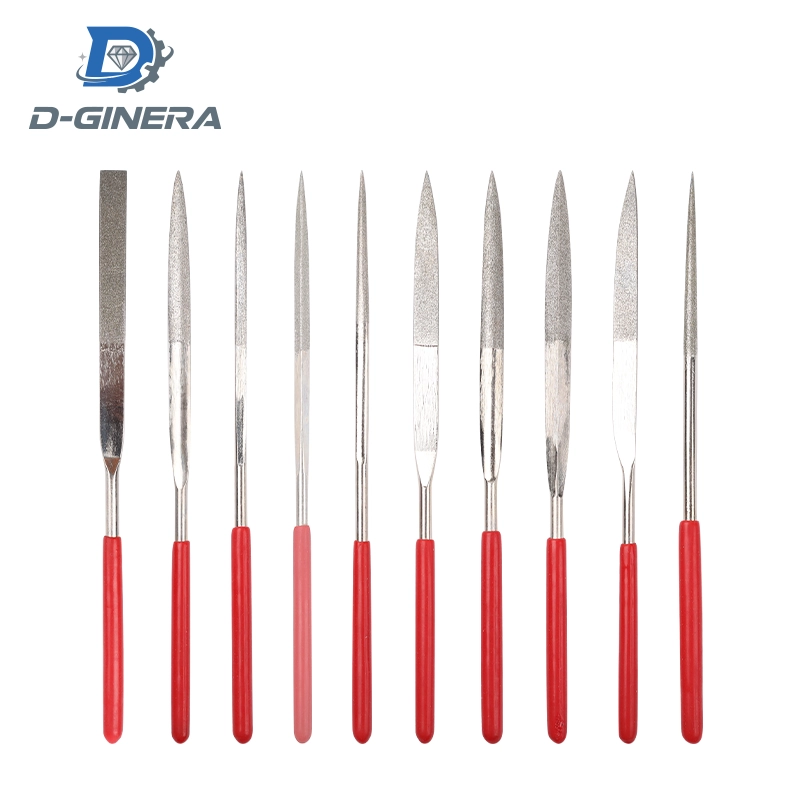
- Medium (#150 – #400): General processing and dimensioning. Standard for mini cutting discs (#150), needle files (#80–#400), hole deburring, and primary tool edge realignment.
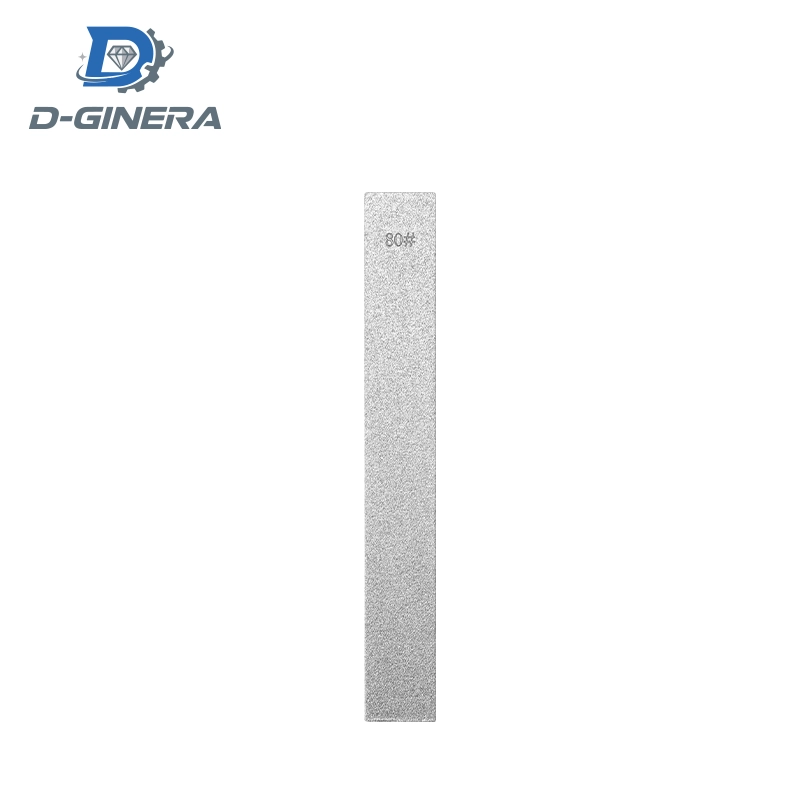
- Fine & Polishing (#600 – #3000): Edge honing and smooth surface transition. Applied in thin sharpening plates (#1000/#2000/#3000) for eliminating micro-serrations and finishing delicate components.
Product Engineering & Working Conditions
What is the practical difference between pattern surfaces (honeycomb / rhombus) and full-face grit on bench stones?
The two surface layouts correspond to specific sharpening stages:
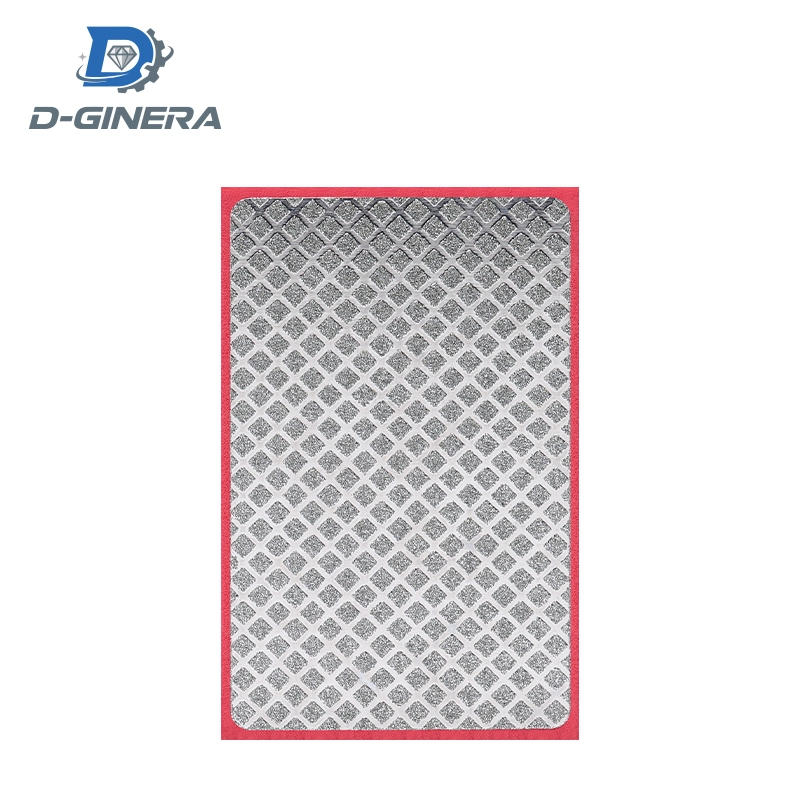
- Patterned (Honeycomb / Rhombus): Recessed relief channels collect swarf and ground metal particles, preventing surface loading (clogging) and maintaining cutting efficiency during rough to medium sharpening (#300 to #1200).
- Continuous Full-Face: Provides an uninterrupted flat contact area. In ultra-fine finishing (#1000, #2000, or #3000), a full-face plate prevents straight cutting edges (such as wood chisels or plane irons) from catching on channel margins, delivering an even bevel finish.
Do D-GINERA core drill bits and saw blades require wet operation? What are the limitations for dry cutting?
- Wet Operation (Standard Recommended Practice): Continuous water flow cools the nickel bond and flushes away abrasive slurry. This prevents premature bond breakdown (nickel begins losing adhesion integrity under sustained temperatures above 300°C) and minimizes edge breakout on ceramic and glass substrates.
- Dry Operation Guidelines: Blades with segmented or turbo-slotted cores (such as the DGB-TR series), as well as wax-filled core bits, allow short-duration dry cutting. When running dry, operators should reduce tool RPM and use an intermittent “pulse” feed technique to allow air cooling and swarf ejection.
Customization & Private Label
Can D-GINERA manufacture custom tooling according to technical drawings? What specifications are required?
Yes, we provide custom manufacturing for non-standard electroplated diamond and CBN tools. Customers should provide CAD/PDF drawings or the following specifications:
- Core Geometry & Tolerances: Outer diameter, active length, shank type (straight, hex, stepped), or mounting thread configuration (e.g., M14, 5/8"-11).
- Abrasive Specification: Choice of diamond or CBN, and target grit size (#36 to #3000).
- Coating Area: Total plating length, localized abrasive width, or single/double-sided coverage.
- Prototyping Lead Time: Standard sample lead times range from 7 to 10 business days following technical drawing confirmation.
What packaging, labeling, and private-label options are supported for distributors and brand accounts?
We offer standard industrial packaging alongside OEM private-label support:
- Tool Marking: Fiber laser marking on steel bodies or shanks, including custom logos, model numbers, grit designations, and max RPM ratings.
- Packaging Formats: Blister slide cards with hanging holes, organized plastic storage cases, tin boxes, oxford fabric roll-up pouches, and custom-printed inner boxes.
- Warehouse Labeling: Barcode application (UPC/EAN) and master carton labeling aligned with global distribution and FBA fulfillment standards.
Ordering & Quality Control
How is the Minimum Order Quantity (MOQ) structured? Are sample orders supported for verification?
- Standard Catalog Items: Items in ongoing production (such as thin plates, bench stones, and standard hole saws) generally carry an MOQ of 50 to 100 pieces/sets depending on packaging units.
- Custom Production: Minimum order quantities for engineered tools depend on substrate machining complexity, fixturing requirements, and base material sourcing.
- Sample Evaluation: Low-quantity sample orders are available for prospective clients to evaluate dimensional concentricity, cut speed, and bonding durability on test workpieces prior to batch manufacturing.
How does D-GINERA maintain electroplating bond adhesion and tool concentricity?
Consistency is maintained through precise mechanical substrate preparation and controlled electrodeposition:
- Substrate Tolerances: Rotary shanks and burr cores are CNC-turned and centerless-ground using 40Cr or 65Mn steel to control radial runout (typically ≤ 0.03 mm on precision rotary shanks). Sharpening plates undergo stress relief and double-disc flat grinding to prevent core warpage.
- Chemical Preparation & Plating Control: Substrates undergo multi-stage ultrasonic degreasing and mild acid etching to ensure a clean bonding surface. We utilize temperature-controlled, low-stress nickel bath formulations, maintaining precise current densities and embedment timing to encapsulate approximately two-thirds of each abrasive particle, preventing premature grain pull-out.
Still have questions? Contact our engineering team →